
Paver sealing for San Marco homes
Paver Sealing in San Marco, FL
San Marco's old brick streets and oak-lined lots deserve careful sealing, so call (904) 842-3763 for a free estimate.
- Brings out deeper paver color
- Fresh joint sand helps lock pavers in place
- Gives weeds less room to grow
- Makes the surface easier to keep clean
- Free estimate, no obligation
Request a Free Estimate
Free, no obligation.
Fast, careful paver sealing in San Marco
Paver sealing in San Marco is a phone call away, from the blocks near San Marco Square to Colonial Manor and South Riverside. A local contractor cleans, re-sands and seals brick and concrete pavers on drives, courtyards and walks, and the estimate is free. If you decide to ask for a free estimate online, plan on hearing back within 1 business day, usually much sooner.
Maybe the courtyard behind your 1920s house has gone dark under the live oaks, and the old brick walk has moss in every seam. A careful wash, fresh joint sand and the right sealer bring back the warm color without harming the surface. Call (904) 842-3763 to describe what you have and ask how the first visit works.
Why hire a local paver sealing contractor in San Marco?
San Marco homes are older, and many are surrounded by mature oaks and brick or stone details. People here want a local contractor who treats old surfaces gently, so ask for a free estimate online and tell the contractor what your property has.
A careful, free look
The contractor examines your brick or pavers at no charge, then lays out the method and price before anything is scheduled.
A range as the benchmark
The region publishes $1.75 to $3.25 per square foot for the whole clean, sand and seal. Old brick can price differently, so ask.
One product per surface
Clay brick and concrete pavers can need different sealers, so each surface gets its own product rather than one for the yard.
Decide in your own time
The date, the finish and the answer are yours. An estimate here comes with no obligation.
Get Your Free Estimate in San Marco
Tell us about your pavers in San Marco.
Free, no obligation
What paver problems show up most in San Marco?
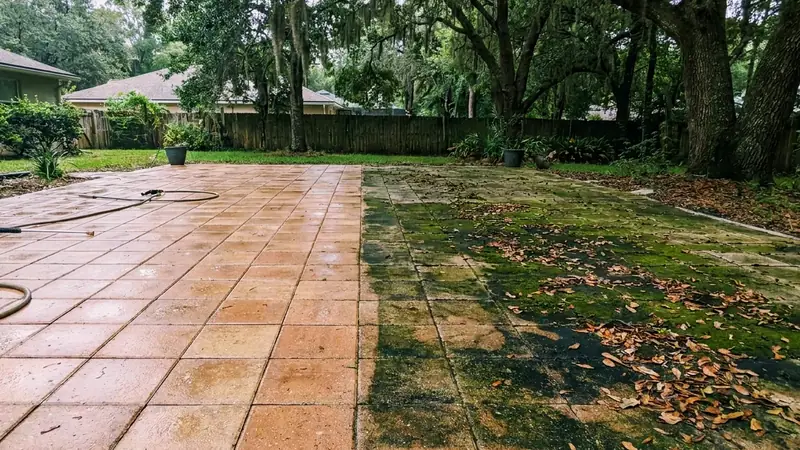
Moss on shaded brick
San Marco's parks and streets are lined with big oaks and magnolias, and the Treaty Oak just across the river is put at around 250 years old. Heavy shade keeps brick and pavers damp, and moss and algae grow where surfaces stay wet. The green is slippery, which makes it more than a looks problem. If your courtyard sits under a canopy, the green shows up in the seams first. A wash, then a dry spell, then sealer is the order that works. Sealing afterward means the next round of leaves and damp has less to hold onto. Brick that stays green under an oak is also slippery underfoot.
Brick that soaks up water
A Jacksonville cost guide says brick, travertine and natural stone are more porous and need different sealer chemistry. Old San Marco brick drinks water and stains faster than a dense concrete paver. A silane or siloxane product keeps water out and leaves the look alone, according to one paver company. Picking the wrong sealer on old brick can leave a shine you did not want. That is why the contractor should name the product before the job and let you decide. Brick is part of this neighborhood's story: Marco Lake began as a claypit for a brickyard that made 50,000 bricks a day by 1923.
Mixed brick and concrete in one yard
Many San Marco properties have old brick walks next to newer concrete pavers added by a later owner. One company says a yard with both needs two different products. A single sealer for the whole yard may suit neither one. The contractor should check each surface separately before choosing, and the quote should list what goes where. Edges where the two meet get extra care so the products do not overlap badly.
Joint sand lost to roots and rain
Oak roots lift pavers, and Jacksonville's hard summer rains wash sand out of joints. Open joints let weeds in and let the surface shift. Sealing locks in whatever is there, so a lifted section is reset first. After that, fresh sand goes in and the sealer holds it. A walk that rocks underfoot is the clue that roots or washout have already started.
Stains from leaves and old coats
Leaf stain, oil and old sealer are common on older properties, especially where oaks drop leaves onto a courtyard all fall. Safe Touch says failed sealer is stripped first, and that San Marco's historic brick calls for soft wash and careful pressure. A harsh wash can pit old brick or push out mortar. Gentle cleaning takes longer but protects the surface. On a courtyard beside a 1920s house, that patience is worth paying for. Ask the contractor what pressure will be used before the wash starts.
Does San Marco's historic status affect paver sealing?
It can, depending on your address. The City of Jacksonville requires a Certificate of Appropriateness for exterior work and site work like driveways in a historic district or on a landmark. The city's page does not name sealing, so check the Land Development Map or ask city staff before a large project. When you know what applies, ask for a free estimate online.
San Marco was laid out in 1925 on 80 acres of the Villa Alexandria estate, and its 250 lots sold within three hours. It was planned in an Italian Renaissance revival style, though few homes kept to it, so the housing mixes many styles. A brick drive beside a stucco house and a concrete paver patio beside a bungalow are both normal here. Call (904) 842-3763 and say which you have.
Colonial Manor and South Riverside sit within San Marco, and St. Nicholas lies just east. Each has its own mix of lot sizes and older trees, and the Preservation Society says the plan favors winding streets, planted medians and larger lots. Larger lots often mean bigger courtyards and more paver area to clean and seal. That is why a measured quote beats a guess, so ask for a free estimate online and ask for the square footage in writing.
San Marco has fourteen parks, and Lillian S. Davin Park is a River Road median with 19 live oaks planted in 1985. Landon Park has large magnolias and oaks. Those trees drop leaves that stain wet pavers, so ask about a careful wash when you ask for a free estimate online.
What does paver sealing cost in San Marco?
Start with the region's published range of $1.75 to $3.25 per square foot, then adjust for the material. Brick is more porous and can need a different product, so a San Marco quote may land above or below it. Shade growth and empty joints move it too. To price your surfaces, ask for a free estimate online, and the estimate is free.
A Jacksonville cost guide says prep is most of the cost, and that smaller jobs cost more per square foot. A narrow side yard or a courtyard behind a gate adds prep time, and many San Marco lots have both. Call (904) 842-3763 to hear which parts of your own lot would add time.
| Paved area | Typical example | Clean, sand and seal |
|---|---|---|
| 300 sq ft | Small patio or walkway | $525 to $975 |
| 600 sq ft | Two car driveway | $1,050 to $1,950 |
| 1,000 sq ft | Large driveway or pool deck | $1,750 to $3,250 |
| 1,500 sq ft | Driveway plus pool deck | $2,625 to $4,875 |
Math based on the $1.75 to $3.25 per square foot that Northeast Florida paver companies publish. Your contractor sets the actual price after seeing the surface. Repairs, leveling and stripping failed sealer are usually extra.
How does a paver sealing job work in San Marco?
Sort brick from pavers
The visit begins with telling the surfaces apart. Clay brick, concrete pavers and stone each take a different sealer, and a courtyard may hold all three. If a coat is already on, its type matters, since water-based cannot go over solvent-based. Lifted or sunken spots are marked for resetting, and you hear why each product was picked.
Soft wash first, pressure only where it fits
Aged brick gets a soft wash and careful pressure, as a Jacksonville company describes for San Marco's historic areas, while dense concrete can take a firmer hand. Moss and leaf stain are treated first. Runoff stays off stucco, wood trim and plantings. Mortar is never blasted, and a stain that will not lift is reported rather than forced.
Refill the seams
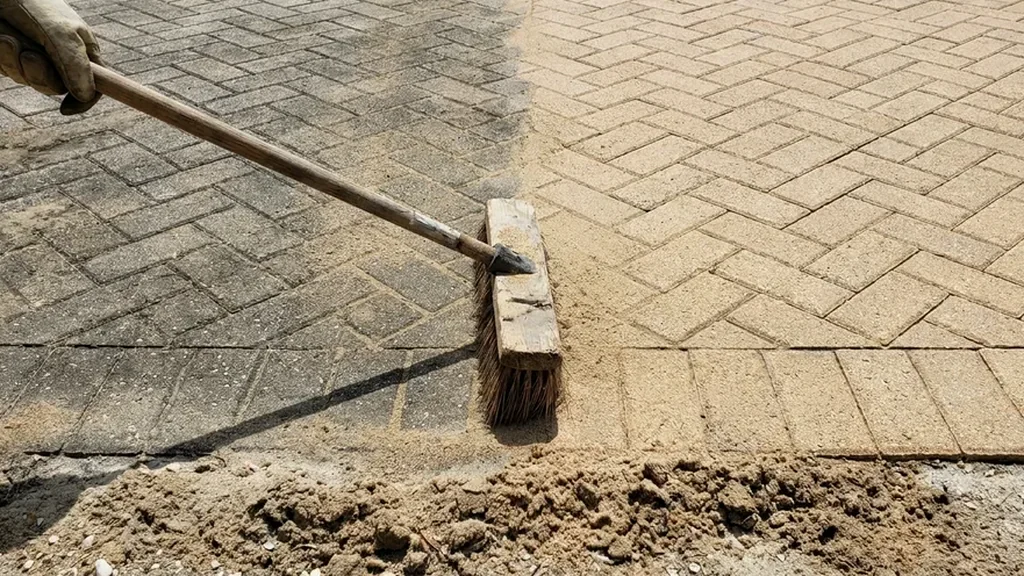
Cleaning pulls sand from the joints. Fresh sand is swept in, which matters on a lot where oak roots have opened seams and weeds follow. The joints are topped up and brushed clean, so the sealer has something solid to hold and the surface stops moving underfoot.
Let porous brick dry out
Brick drinks water, so it needs longer to dry than a dense paver. Jacksonville's rain is heaviest from May through September, and a courtyard under oaks dries slowest. One company says nearly every complaint about white sealer traces to damp pavers. The contractor waits, and a porous walk may need more than a day.
Apply what suits each surface
Old brick usually gets a penetrating silane or siloxane sealer that leaves the look alone. Concrete pavers can take a film-forming sealer in matte or wet look. Sealer goes on by sprayer and is back-rolled for even coverage. Companies commonly quote two to five years per coat, with shade and sun deciding where you land.
Complete paver services in San Marco
In San Marco the order is the same, but the products differ: wash, refill the joints, let everything dry, then seal. Brick and pavers share those steps while taking different sealers. Sealing last keeps dirt from being locked in, so the finish looks clean the day it dries. Call (904) 842-3763 to ask how long the work would run in your courtyard.
Surfaces here range from clay brick walks to concrete pavers and stone, and a courtyard may hold more than one. Brick wears by soaking up water and stain, while concrete pavers fade and lose joint sand. Each needs its own cleaning pressure and product. Describe yours when you ask for a free estimate online.
A penetrating sealer is common on old brick because it keeps the natural look. Concrete pavers can take matte or a wet look, with water-based or solvent-based chemistry behind either. Water-based cannot go over solvent-based, so any old coat is identified first. Call (904) 842-3763 to talk through which finish suits your home.
Timing follows the weather. Summer rain in Jacksonville is brief but heavy, and porous brick needs extra drying time. Cooler months tend to leave more dry days, and a courtyard in full sun dries faster than one under oaks. For a date that suits your lot, ask for a free estimate online.
Questions to ask before you hire
- If I live outside town on a long dirt drive, is there a trip charge?
- Will you tell me the sealer's brand and finish before the day of the job?
- How long should I keep cars off the driveway after the sealer goes down?
- What do you do about weeds growing up through the joints before sanding?
- How many days do I need to leave open for the job and the cure time?
- Do you cover my plants and the edge of the lawn before spraying?
- Will a rain shower the night after the job hurt the finish?
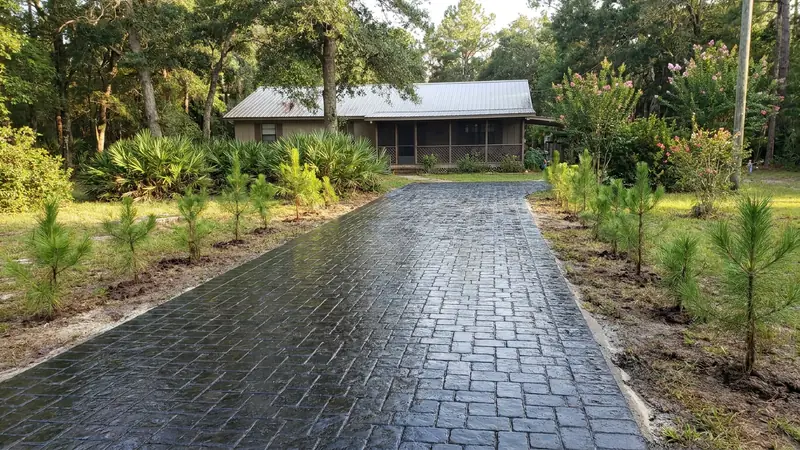
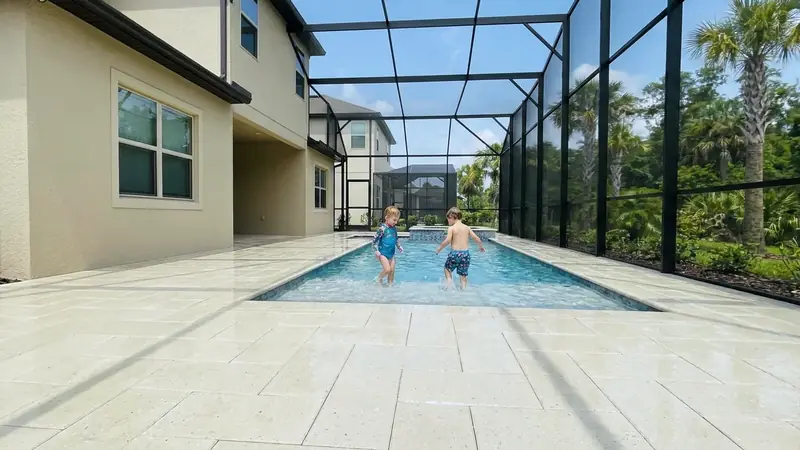
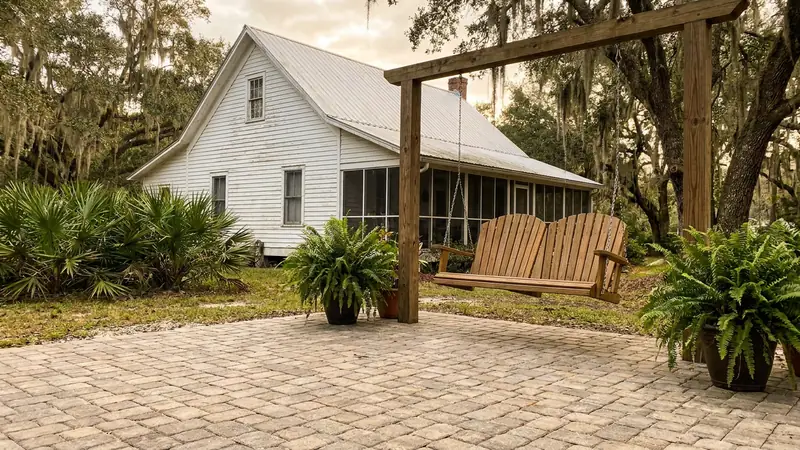
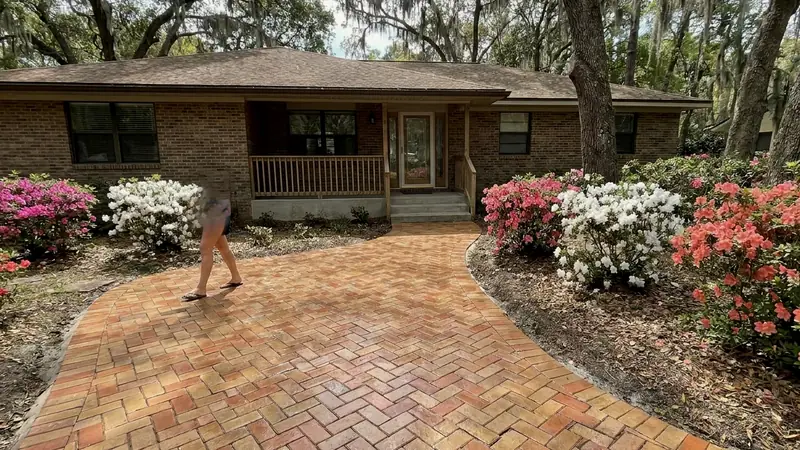
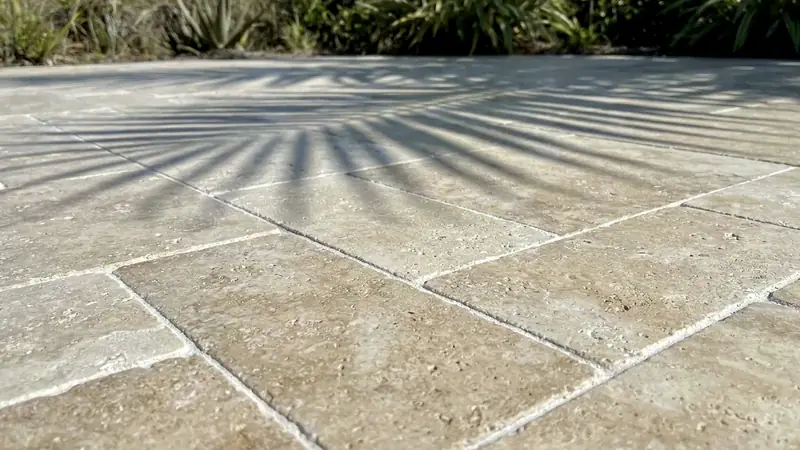
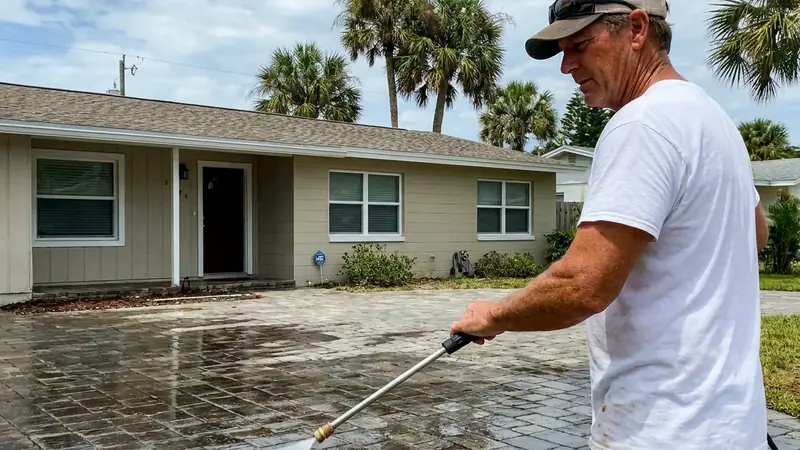
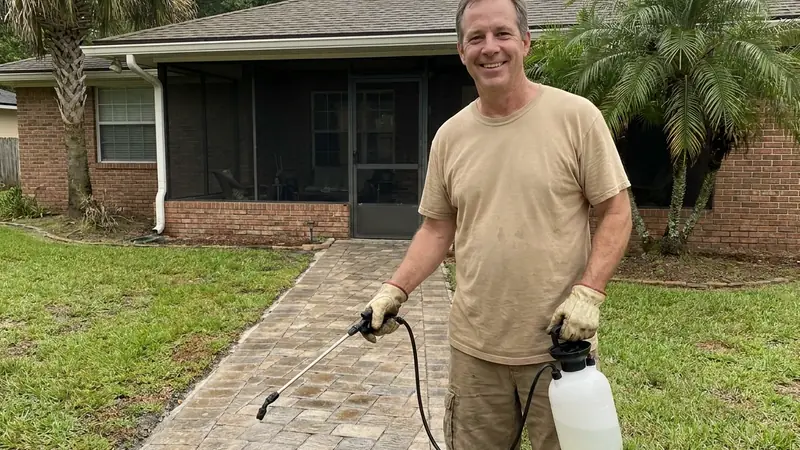
What do sealed pavers look like around San Marco?
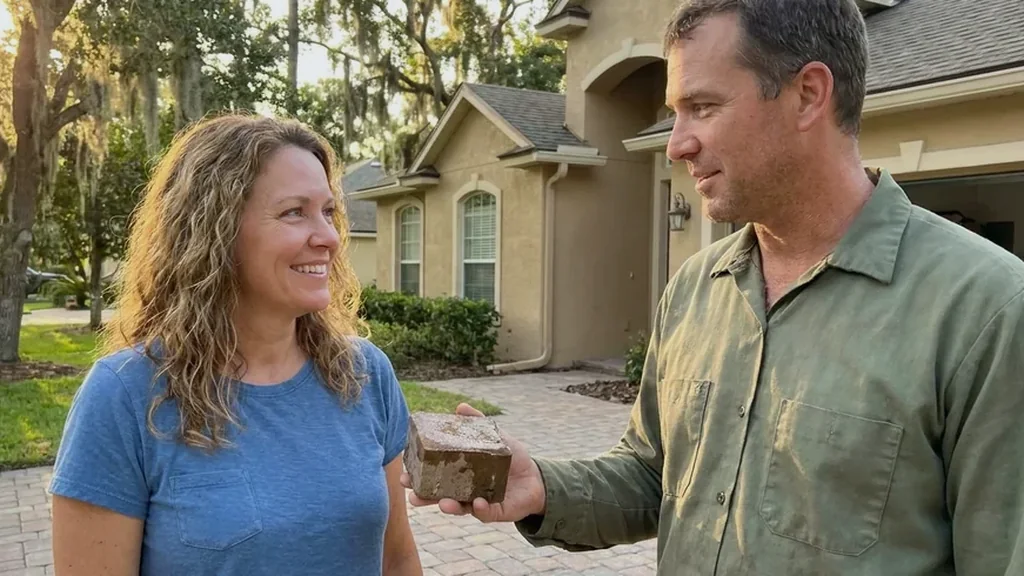
Why local matters in San Marco
A contractor who works San Marco expects old brick, mature oaks and tight courtyards. Those details decide the cleaning method and the sealer, and they are easy to miss from across town. Someone used to new concrete drives may treat old brick too hard, and mortar joints are easy to damage. To reach a contractor who works the Southbank side of Duval County, call (904) 842-3763.
Local work also means knowing the historic angle. The city asks for a Certificate of Appropriateness in historic districts and on landmarks, and driveways are on its list. A contractor who works here often can point you to the Land Development Map, which shows whether an address carries historic status. You can ask for a free estimate online and ask how that affects your property.
Housing here spans nearly a century of styles and updates. A local contractor can often tell old brick from newer pavers, and a fresh coat from a failing one. If you are not sure what you have, ask for a free estimate online and describe it, with no obligation to hire anyone.
San Marco's winding streets, planted medians and larger lots came from the City Beautiful plan. Larger lots can mean longer walks and bigger courtyards, and a contractor who knows the layout plans for them. To book a visit, ask for a free estimate online.
Why is San Marco different from other Jacksonville neighborhoods?
San Marco is different because it began as a planned community in 1925 and kept its character. The Preservation Society describes winding streets, planted medians and parks inspired by the City Beautiful movement. The brickyard that once stood nearby left behind Marco Lake, a clay pit turned lake linked to the river by a canal, and it made 50,000 bricks a day by 1923. If you live near the lake and want a walkway quote, ask for a free estimate online.
San Marco Square, with the Mediterranean Revival San Marco Building of 1927 and the art deco San Marco Theatre from 1938, anchors the area. Balis Park holds the gazebo used for the holiday tree lighting, and the neighborhood has fourteen parks in all. Landon Park has large magnolias and oaks, and River Road has 19 live oaks in its median. If you live near the Square, the lake or the parks, call (904) 842-3763 and say which street.
South Jacksonville was its own city until Jacksonville annexed it on January 1, 1932. The Acosta Bridge, opened in 1921, spurred new subdivisions such as South Shores, Alexandria Place and River Oaks. Houses from that wave sit beside newer pavers, so mixed ages are normal. To plan a visit, call (904) 842-3763.
The Red Bank Plantation House dates to 1857, and the old Red Bank land became South Riverside and Colonial Manor, which Jacksonville annexed in 1937. Old foundations, old trees and old walks share those blocks. For an estimate near them, ask for a free estimate online.
Frequently Asked Questions
Is a sealed paver worth it in San Marco?
Usually, yes. A sealer coat shields against sun fade, stains and washed-out joint sand. On San Marco's shaded brick and pavers it also helps with moss, though old brick needs the right type of sealer.
Can a contractor clean, sand and seal my pavers in San Marco?
Yes. The contractor washes the surface, replaces the joint sand, lets it dry and then seals. The estimate is free, and you hear the plan before work starts. Brick and concrete are handled with different products, and the contractor explains why.
What is the average cost to seal pavers in San Marco?
San Marco quotes get checked against a published range of $1.75 to $3.25 per square foot for cleaning, sanding and sealing. Brick can need a different sealer, which may change the price. The free estimate is what turns that range into a real number.
How much is sealant for pavers in San Marco?
The sealant is a small share of the price, since prep is most of the cost. Cleaning, joint sand and removing an old coat take the time. What the region publishes is a range of $1.75 to $3.25 per square foot for the whole job.
Is it better to spray or roll paver sealer?
Many professionals do both. Sealer goes on with a sprayer and is then back-rolled so it coats evenly and works into the joints. Old brick is often treated with a penetrating product, so ask what your contractor plans to use on each surface.
Do I need city approval to seal pavers in San Marco?
It depends on your address. Jacksonville requires a Certificate of Appropriateness for exterior and site work in a historic district or on a landmark. The city page does not name sealing, so check the Land Development Map or ask city staff first.
Can old brick pavers in San Marco be sealed?
Yes, with the right product. One paver company says old clay brick is usually sealed with a silane or siloxane product that keeps water out and leaves the look alone. A wash that is too harsh can damage old brick, so gentle cleaning comes first.
How often do I need to reseal pavers in San Marco?
Companies commonly quote two to five years per coat, with shade and sun deciding where you land. A water test helps: if water beads, the coat still works, and if it soaks in and darkens the paver, it is time.
Why does brick stay green under San Marco oaks?
Heavy shade keeps brick damp, and moss and algae grow where surfaces stay wet. Landscape trade guidance says treatments work less well where pavers stay damp and shaded. A wash clears the green, and the date moves until the brick is fully dry.
Should brick and concrete pavers in one San Marco yard get the same sealer?
Often not. One paver company says a yard with both brick and concrete pavers needs two products, because old clay brick usually takes a penetrating sealer while concrete can take a film-forming one. The contractor checks each surface separately.
Does a courtyard under old San Marco oaks need special care?
It needs patience. Heavy shade keeps brick and pavers damp, so moss and leaf stain build up, and the surface needs extra time to dry before sealing. The wash is gentle on aged brick, and the date moves if rain is near.
Nearby areas we serve
Ready for a Free Estimate in San Marco?
Call (904) 842-3763 and tell us about your pavers.
Free, no obligation